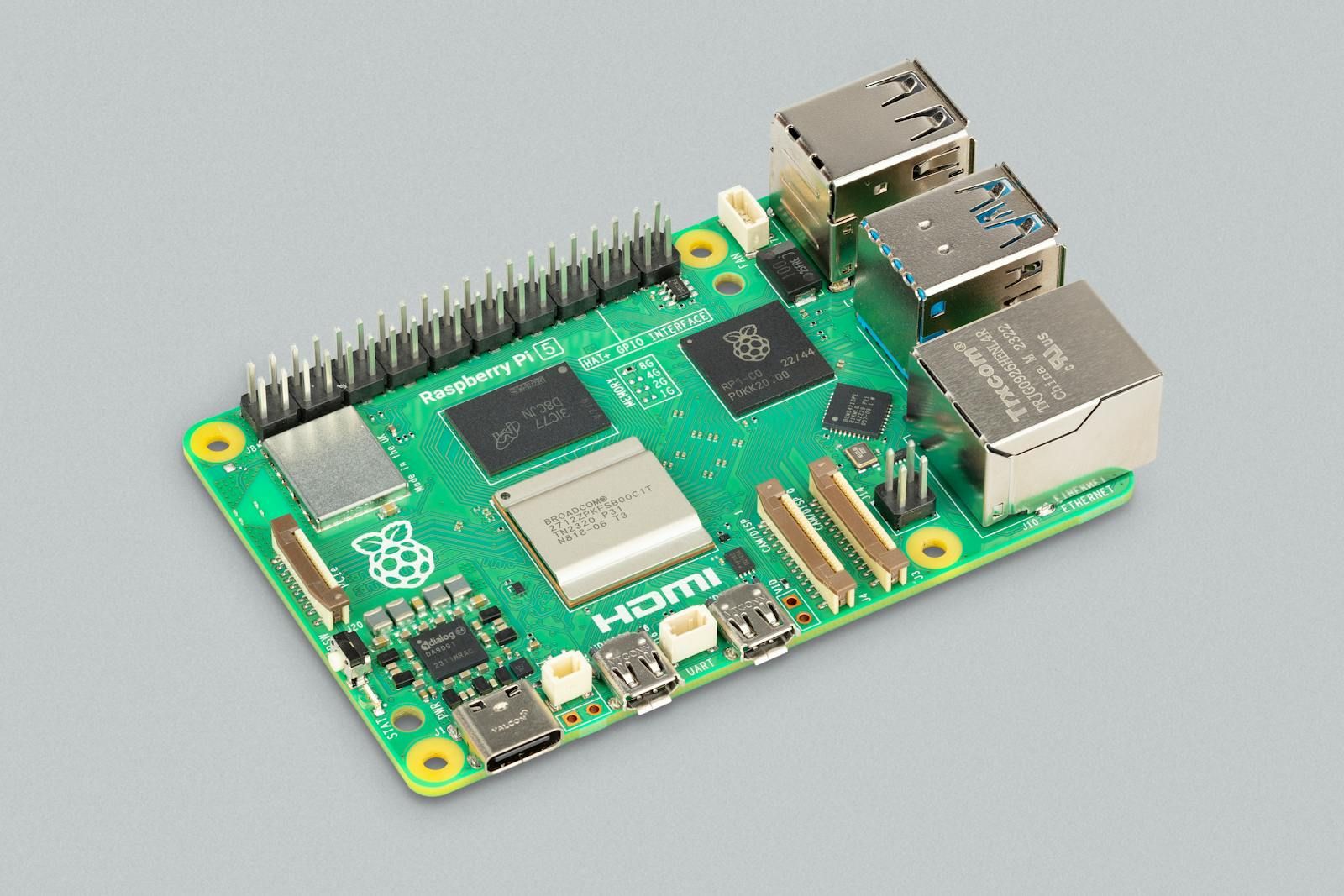
COG-RPI5-8GB
 1 / 2
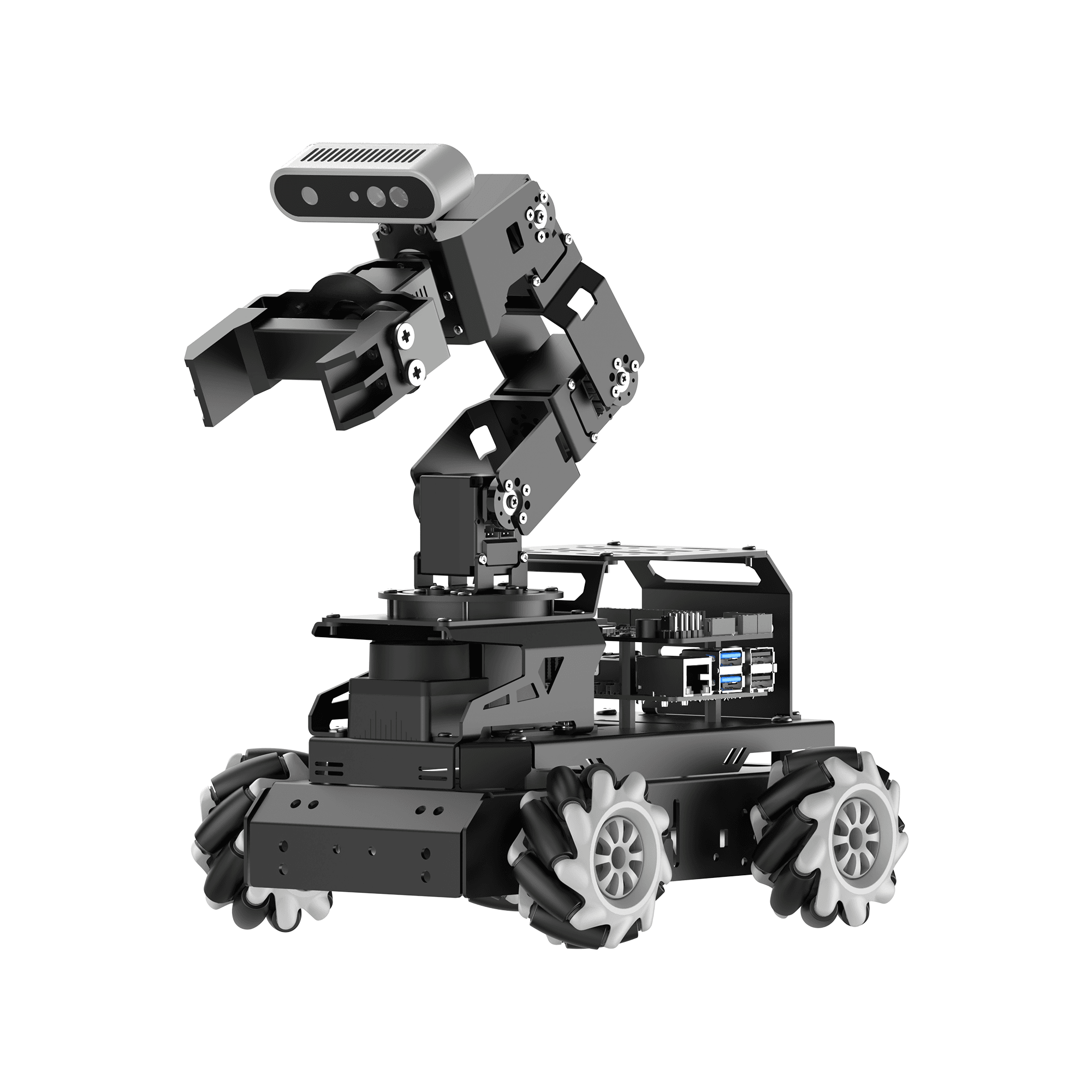
1 / 2Cogalloy's advanced mobile-manipulation ROS 2 robot: Raspberry Pi 5 8 GB, Mecanum encoder drive, real-time control, 6-DOF arm and gripper, RGB-D depth vision, 2D dToF LiDAR and USB AI voice interaction.
Price
US$899.00
No account or payment needed. We usually confirm availability, lead time, shipping, and total price within 12 hours.
Or email us directly: sales@cogalloy.comShipping options and final delivery cost are shown at checkout.
COGALLOY L1 ARCHITECTURE
L1 Advanced Mecanum combines a holonomic base and articulated arm, which means a task can depend on both robot pose and end-effector pose. Start by proving individual base vectors, arm joints and cable clearance before planning a combined motion.
OBSERVABLE CONTROL PATH
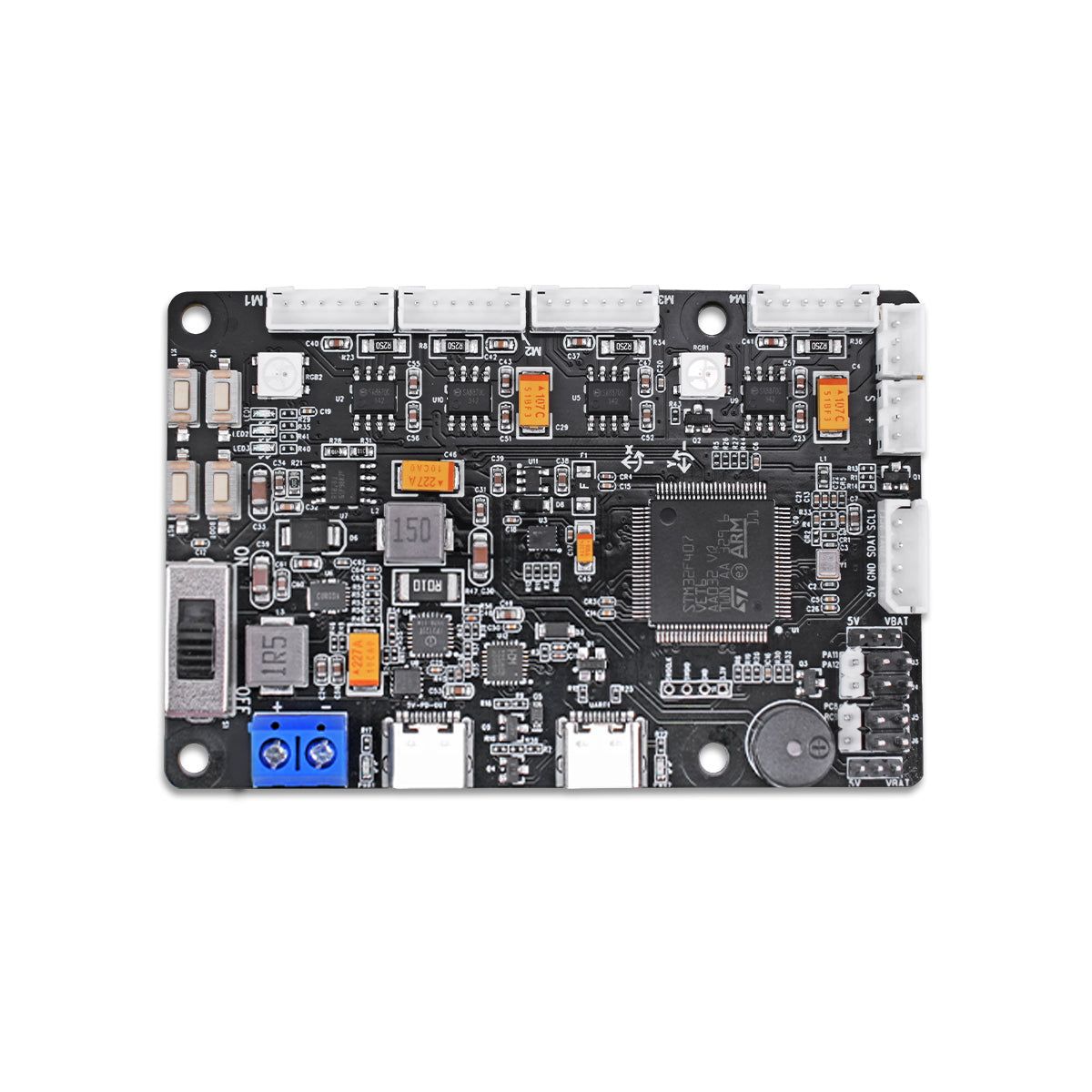
The Raspberry Pi 5 8 GB host runs the operating system, ROS 2 and applications while the real-time control path handles motor, encoder and peripheral communication. That separation gives students and developers a clearer place to inspect commands, feedback and physical behavior.
PERCEPTION TO ACTION
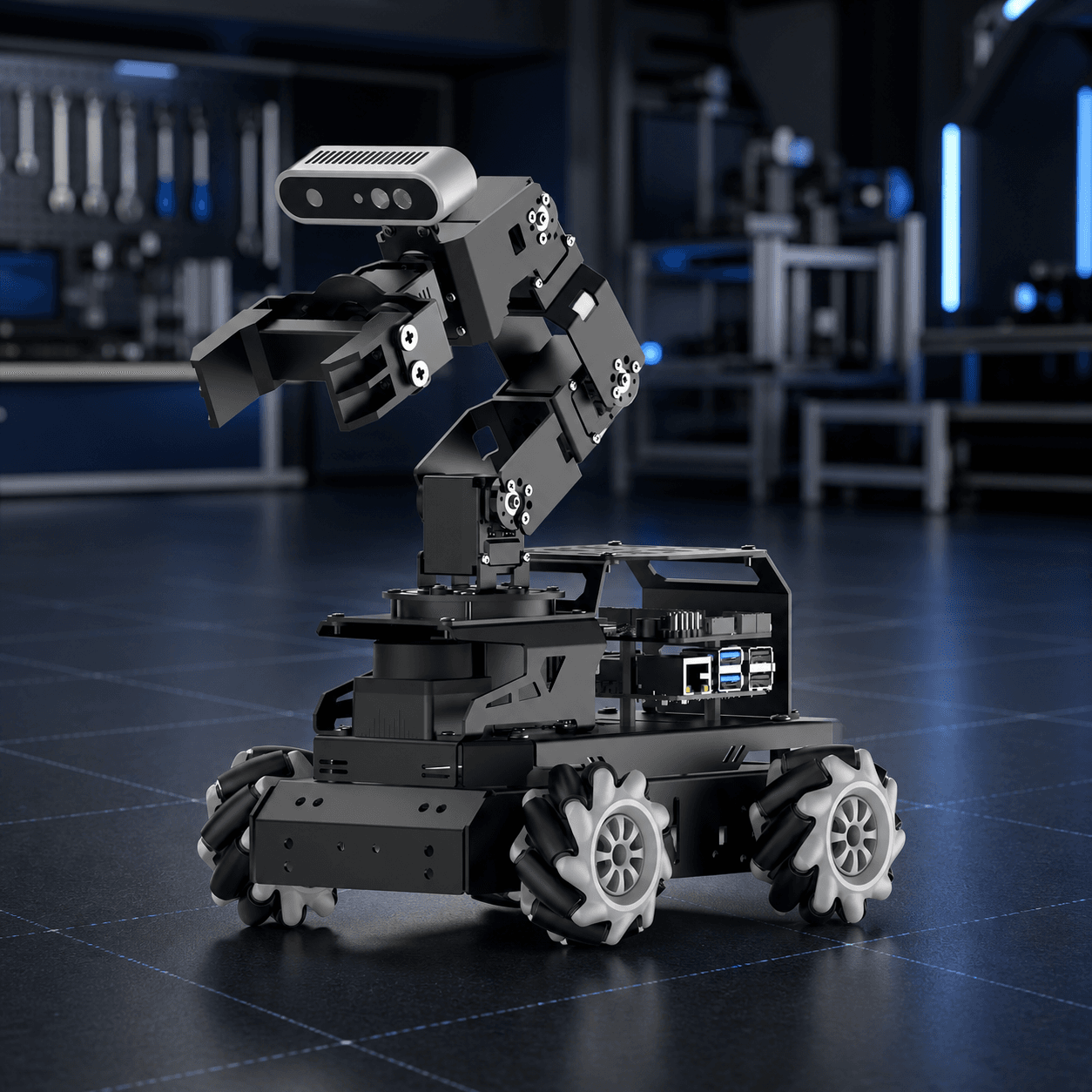
RGB-D vision, planar LiDAR and a manipulator are complementary but not automatically aligned. Check streams, timestamps, mounting and coordinate transforms before making a map, localizing in it or using a visual observation to trigger arm motion.
SAFE LEARNING PROGRESSION
A reliable progression is power and manual stop first; base motion and feedback next; sensors and transforms after that; then arm calibration, mapping, navigation and voice-driven behavior. Each layer should be repeatable before it is allowed to influence another one.
Product details
Clear product information, technical specifications and compatibility details—kept separate from the purchase decision.
Cogalloy L1 Advanced Mecanum combines an omnidirectional encoder-motor base, Raspberry Pi 5 with 8 GB RAM, a dedicated real-time controller, a 6-DOF bus-servo arm and gripper, RGB-D depth vision, 2D dToF LiDAR and a USB AI voice interface. The configured system is intended for learning and prototyping across motion, perception, mapping, manipulation and human–robot interaction without treating those layers as isolated demos.
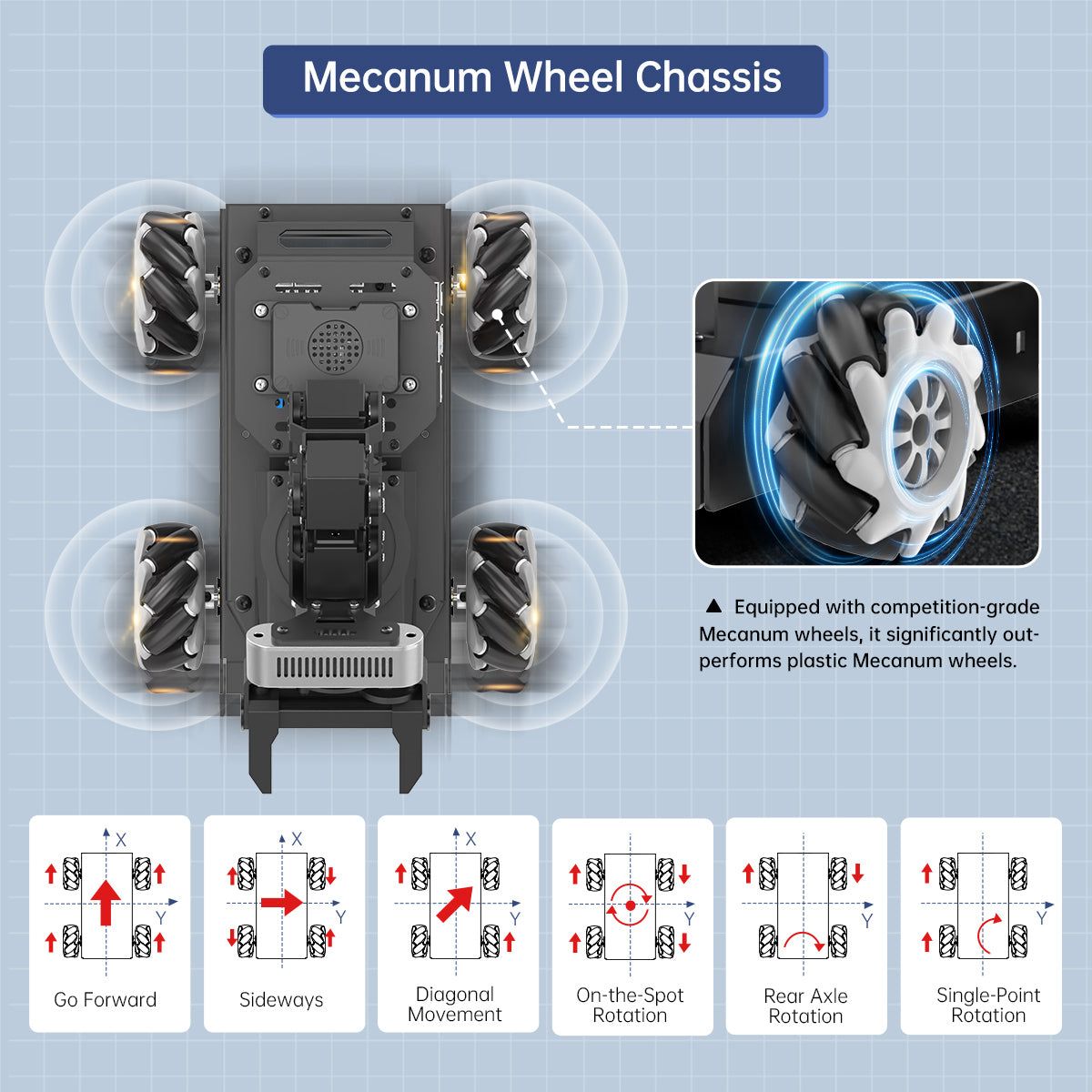
Four Mecanum wheels let the platform move longitudinally, laterally, diagonally and in yaw when wheel orientation, motor direction, encoder sign and kinematic parameters are correct. The high-level Raspberry Pi host and the real-time controller have distinct jobs: use the host for ROS 2 applications and use the controller path for time-sensitive motor, encoder and peripheral work. Validate low-speed vectors and odometry on the actual floor before relying on a map or a planned route.
The Advanced configuration pairs an RGB-D depth camera with a planar 2D LiDAR. The camera supports depth-aware visual work; LiDAR supports planar scan, mapping and navigation workflows. The 6-DOF arm adds a physical action layer, so camera, arm and base transforms, cable clearance, reach limits and collision boundaries must be checked together. A usable autonomous task begins only after each sensor stream, transform and actuator path is repeatable on its own.
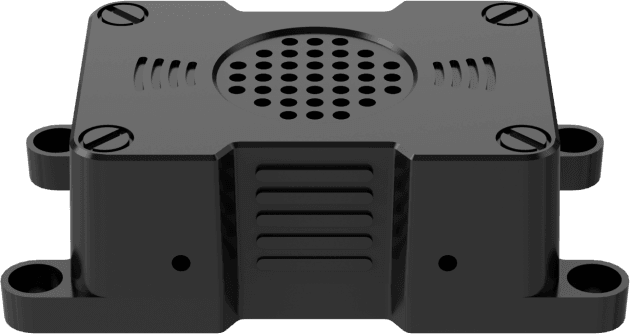
The included USB voice interface can provide wake-word and command input when it is used with the matched firmware and host software. Route recognised intents through explicit robot-state and safety checks. Network, account, cloud or large-model features depend on the selected software service and region; inclusion of voice hardware does not imply that every online feature is available offline or in every market.
Charge with the matched charger, inspect battery polarity and establish a clear manual-stop path first. Then verify Mecanum motion, encoder feedback and controller communication; confirm depth-camera and LiDAR topics; calibrate arm neutral pose and low-speed joint motion; and finally test voice-driven non-motion feedback. Combine navigation, arm motion and voice only in a clear, level area after the physical envelope and fallback behavior are proven. The final order confirmation and packing list remain the source of truth for delivered accessory, sensor and regional-power revisions.
Power
7.4 V 2200 mAh 10C protected battery configuration; runtime varies with workload, motion and network use
Storage
64 GB TF-card configuration
Mobility
Four-wheel Mecanum base with DC encoder motors for longitudinal, lateral, diagonal and yaw motion when correctly configured
Public SKU
COG-L1-ADV-MEC-8G
Compute host
Raspberry Pi 5, 8 GB RAM
Connectivity
Wi-Fi and Ethernet
Manipulation
6-DOF intelligent bus-servo arm with gripper
3D perception
Cogalloy Aurora930 Pro RGB-D depth camera
Configuration
Mecanum mobile base with Raspberry Pi 5 8 GB, arm, depth vision, 2D LiDAR and voice interface
Product class
Advanced ROS 2 mobile-manipulation robot
Product model
Cogalloy L1 Advanced Mecanum
Software stack
Raspberry Pi OS + Ubuntu 22.04 LTS + ROS 2 Humble Docker reference environment
Reference weight
Approx. 1.79 kg for the configured robot
Delivery boundary
Final packing list confirms the delivered sensor revision, accessories, charger and regional plug
AI voice interaction
Cogalloy Pro USB AI voice interaction module; matched firmware and host software required
Reference dimensions
212 × 174 × 441 mm for the configured robot
Commissioning boundary
Verify base kinematics, encoder feedback, sensor topics, transforms, arm calibration and manual-stop behavior before autonomous operation
Motion and I/O control
Cogalloy RRC Lite real-time robot controller
2D navigation perception
Cogalloy MS200 360° dToF 2D LiDAR
Choose your destination at checkout to see the available shipping methods. Need integration advice before ordering? Our support team can help you choose compatible components.
In the box
Cogalloy L1 Advanced Mecanum robot assembly
Configured Mecanum mobile base with integrated 6-DOF arm and gripper.
Raspberry Pi 5 8 GB compute set
This configuration includes the 8 GB compute host, 64 GB TF-card configuration and matching host hardware.
Motion-control and power set
Cogalloy RRC Lite control path, encoder-motor interfaces and protected 7.4 V battery configuration for the delivered robot.
Depth and ranging perception set
Cogalloy Aurora930 Pro RGB-D depth camera and Cogalloy MS200 2D dToF LiDAR with their matched interfaces.
AI voice interaction set
Cogalloy Pro USB voice hardware. Wake word, vocabulary and any cloud features depend on the matched firmware and host software.
Final packing confirmation
Sensor revision, charger, regional plug, battery transport treatment and accessory details are confirmed by the final order and packing list.
Expert support
It is the public Cogalloy SKU for L1 Advanced Mecanum with Raspberry Pi 5 8 GB. The configured robot combines Mecanum drive, a 6-DOF arm and gripper, RGB-D depth vision, 2D dToF LiDAR and USB AI voice hardware.
Yes. COG-L1-ADV-MEC-8G is sold as the Raspberry Pi 5 8 GB mobile-manipulation configuration with the listed 6-DOF arm and gripper. The final order confirmation is the fulfillment record for each shipped item.
Yes, when the four wheels are installed with the correct orientation and the controller has the matching Mecanum kinematics, motor direction and encoder sign. Test forward, lateral, diagonal and yaw vectors at low speed before autonomous use; slip and floor conditions affect odometry.
The approved configuration includes a Cogalloy Aurora930 Pro RGB-D depth camera and Cogalloy MS200 2D dToF LiDAR. Confirm the final sensor and accessory revision on the order confirmation before an integration project begins.
Only after controlled acceptance. Verify charging, battery polarity, base kinematics, controller/encoder feedback, sensor topics, coordinate transforms, arm neutral pose and collision limits first. Then validate mapping, localization, arm planning and combined behavior in a clear, level area.
The configuration includes the voice hardware. A working demonstration can also require the matched firmware, host software, network access, compatible account or cloud service. Route recognised intent through robot-state and safety checks, and keep an independent manual-stop path.
Use the matched charger before first use and confirm battery polarity before powering on. Check base movement, arm direction and sensor streams at low speed in a clear area, away from drops, people and loose cables. Follow the supplied battery guidance for charging and storage.
included
COG-RPI5-8GB
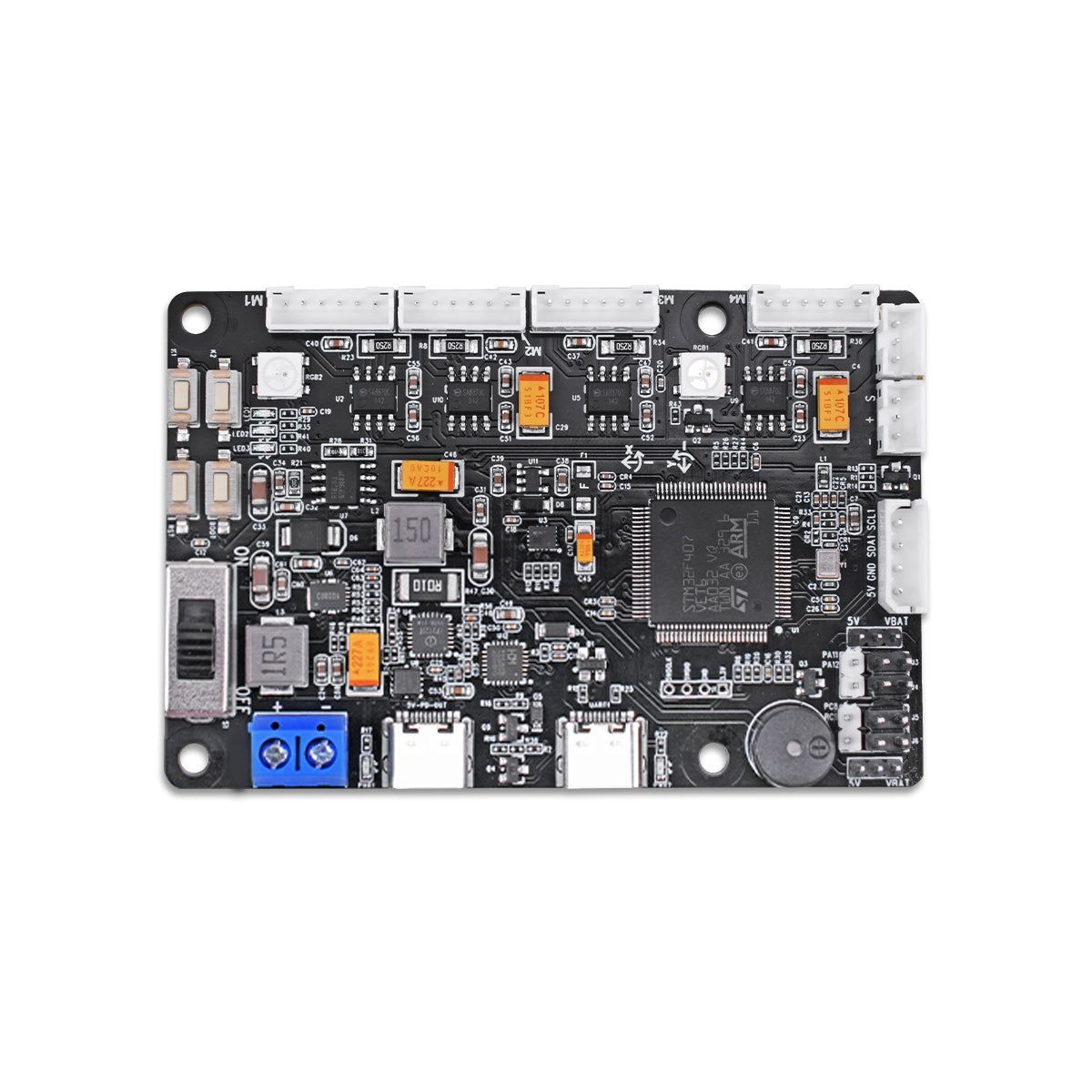
COG-RRC-LITE
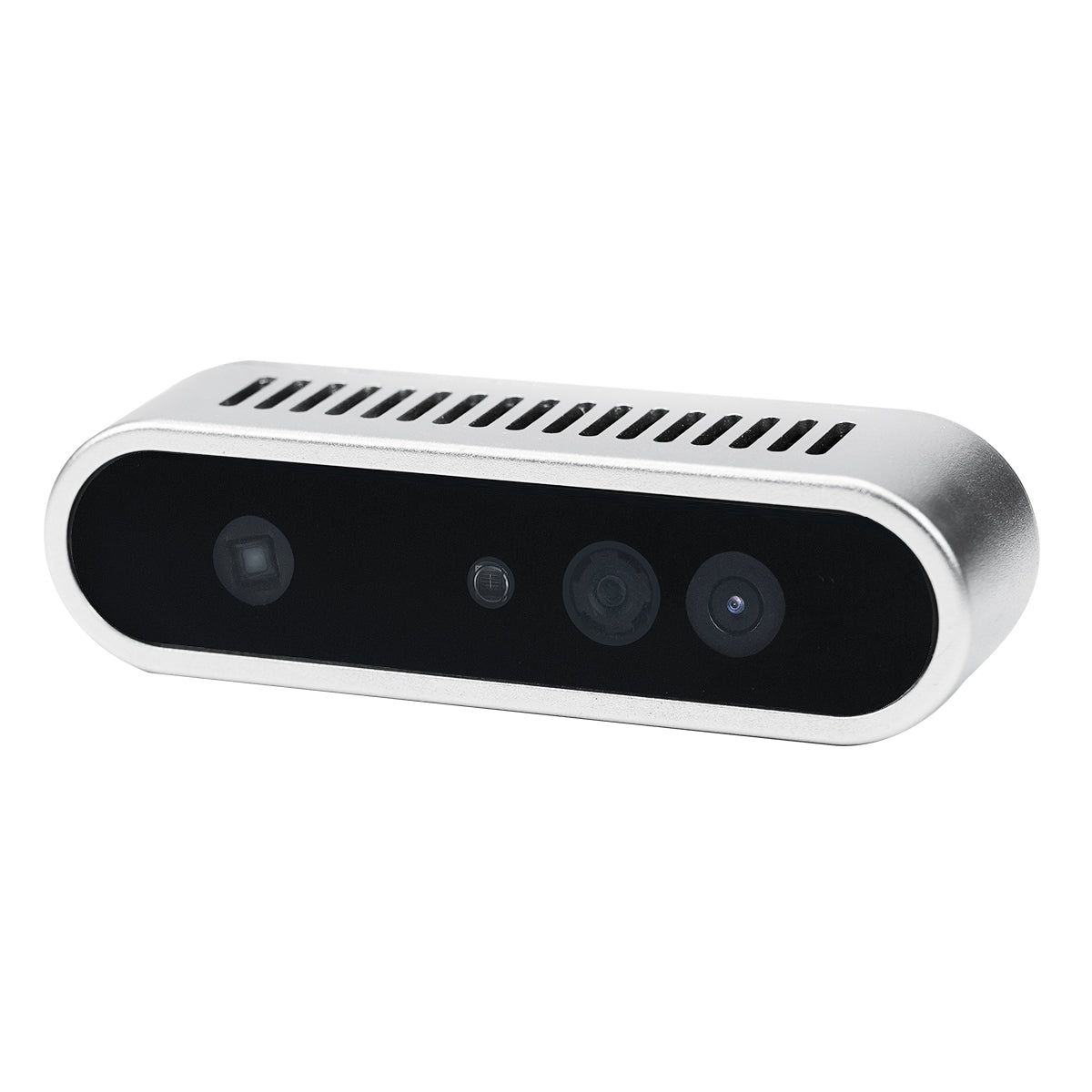
COG-AURORA930-PRO
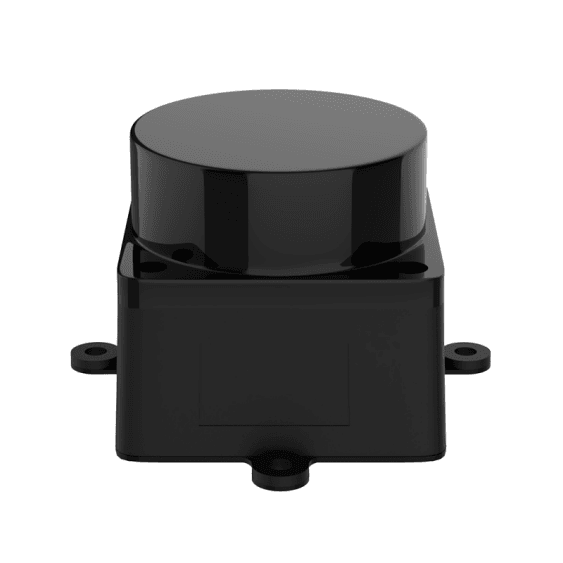
COG-MS200-LIDAR
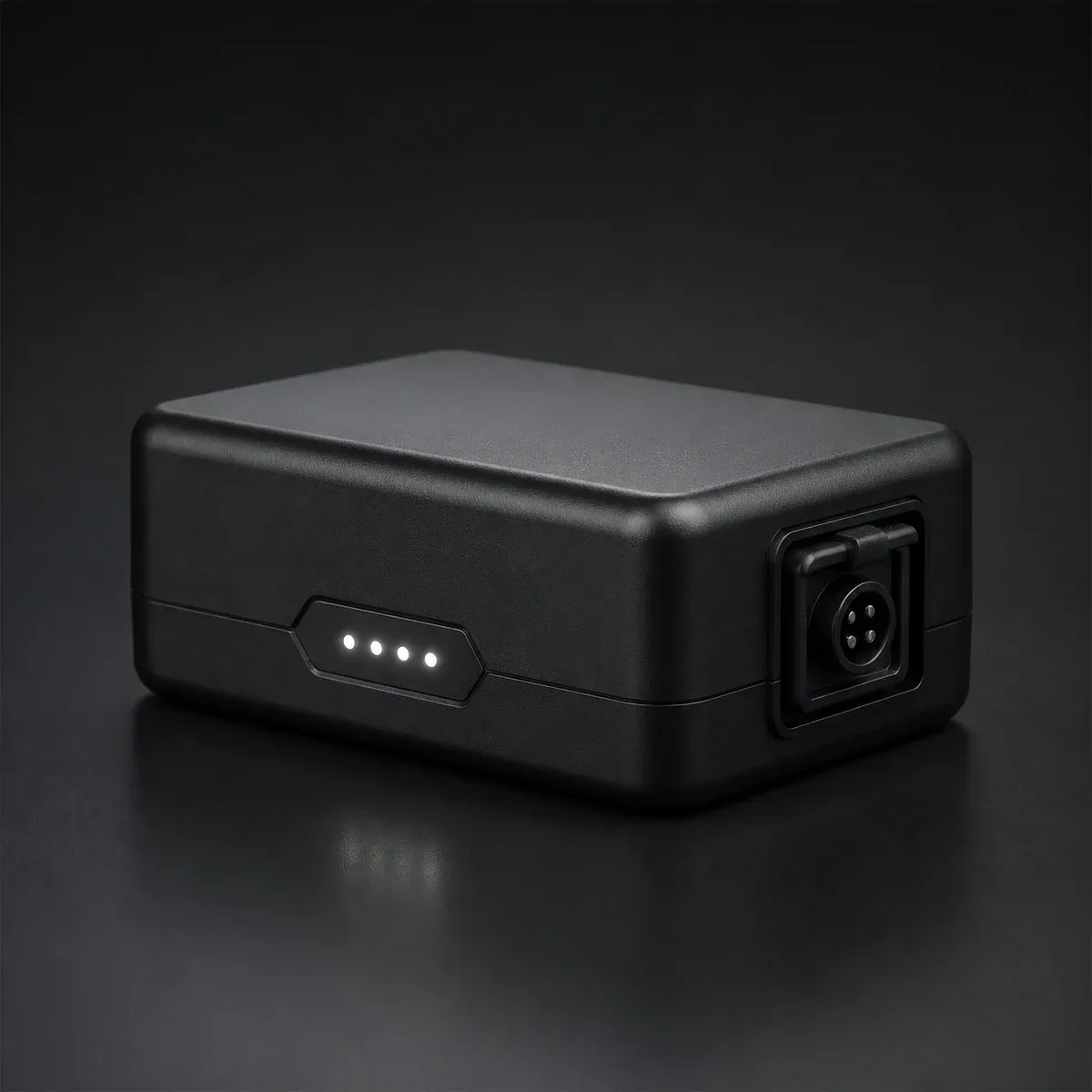
COG-7V4-2200-LIPO
COG-L1-MECANUM-BASE

COG-L1-6DOF-ARM
COG-AI-VOICE-PRO